
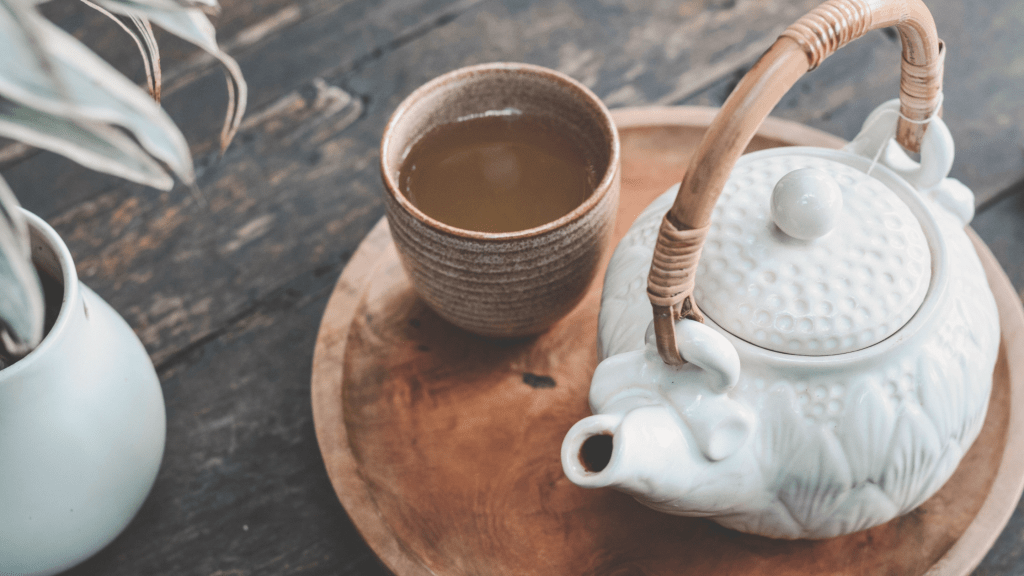
A balanced life isn’t about perfection, it’s about creating a rhythm that allows you to thrive. Balance means honouring all parts of yourself: physical, mental, emotional, social, and spiritual; and bringing them into alignment with your values.
This guide offers a holistic approach to cultivating balance in everyday life. Through gentle, practical steps and real-life inspiration, you’ll learn how to nurture your energy, calm your mind, deepen your connections, and live with greater purpose.
1. Physical Health: The Foundation of Balance
Your body is your anchor, the vessel that carries you through life. When you move, rest, and nourish it well, you create the foundation for clarity, vitality, and presence.
According to the NHS, regular physical activity can reduce the risk of depression by up to 30%, proving that even small, consistent habits can shift our overall well-being.
Movement and Energy: Creating Sustainable Habits
Movement doesn’t need to be intense to make an impact. Sara, a busy mother, began with evening walks, adding gentle morning stretches over time. What started as a simple routine became a sacred pause in her day, one that strengthened both her body and sense of peace.
Take Action:
- Set a realistic weekly goal, aim for around 150 minutes of movement that you enjoy.
- Explore forms of movement that feel restorative: yoga, tai chi, dancing, or simply walking outdoors.
Notice how your body feels before and after movement. Let that awareness guide your rhythm.
Nourishment and Eating with Intention
Food is more than fuel, it’s connection, comfort, and care. A balanced, whole-food approach supports mental clarity and emotional steadiness. Research on the Mediterranean diet links it to a 35% reduction in symptoms of anxiety and depression.
Alex, a student, began meal-prepping simple, colourful meals and found that it not only improved his energy but also gave him a sense of calm and control.
Take Action:
- Plan a few balanced meals each week using whole grains, vegetables, and lean proteins.
- Practise mindful eating: slow down, notice flavours, and express gratitude before your meal.
Reflection: What would change if you viewed each meal as an act of self-respect rather than a task?
Rest and Renewal: Reclaiming the Power of Sleep
Sleep is one of the purest forms of self-care. It restores, repairs, and rebalances the body and mind. Adults need between 7–9 hours of sleep per night, according to the Sleep Foundation.
Jenna, who struggled with restless nights, began reading by soft light each evening and noticed how her body started to welcome rest.
Take Action:
- Create a calm evening ritual: read, stretch, or write down three things you’re grateful for.
- Keep a consistent sleep schedule to stabilise your internal rhythm.
Remember: good sleep is not a luxury, it’s a cornerstone of emotional stability and creativity.
2. Mental and Emotional Well-being: Cultivating Inner Calm
True balance begins within. When you nurture your mind and emotions, you create space for clarity, peace, and resilience.
Mindfulness and Self-Awareness: Coming Home to Yourself
Mindfulness helps you stay present, gently observing rather than judging. Studies show mindfulness can reduce stress levels by up to 50%.
Liam, a teacher, found that just five minutes of morning breathing helped him start his day grounded and patient.
Take Action:
- Begin or end your day with mindful breathing: in through the nose, out through the mouth.
- Notice your emotions throughout the day without trying to change them, just observe and breathe.
Question for Reflection: How might five minutes of stillness change the way you move through your day?
Managing Stress: Building Emotional Resilience
Stress is inevitable, but how we meet it shapes our health. Chronic stress can affect our mood, immunity, and focus; yet intentional micro-breaks and gentle movement can restore balance.
Ana, who worked long hours, began taking two-minute stretch breaks every hour, noticing how small resets made her more centred and focused.
Take Action:
- Practise “box breathing”: inhale 4 seconds, hold 4, exhale 4, hold 4.
- Step away from your workspace regularly, a brief pause can restore clarity.
Try viewing stress signals as invitations to pause, not push harder.
Self-Compassion: The Heart of Healing
Kindness toward yourself is one of the most transformative forms of strength. Research from the University of Exeter shows that self-compassion boosts mood and lowers stress.
Tom began reframing his inner dialogue, shifting from “I failed” to “I’m learning.” The shift helped him rebuild confidence and ease.
Take Action:
- Use gentle affirmations: “I’m growing through this,” or “I’m allowed to take my time.”
- When self-criticism arises, ask: Would I speak this way to someone I love?
Remember, compassion builds resilience, not perfection.

3. Relationships and Connection: The Power of Belonging
Human connection nourishes the soul. Strong, supportive relationships contribute to happiness and longevity, and they remind us that we’re not meant to walk this path alone.
Building Your Support Circle
Priya, who moved to a new city, joined a local walking group. It gave her connection, laughter, and a sense of belonging.
Take Action:
- Reach out to one friend or family member each week, even a simple message counts.
- Explore community spaces: a hobby class, volunteering, or online support group.
Connection grows from small acts of reaching out.
Communicating with Presence and Honesty
Good communication builds understanding and trust. Luke and his partner began practising active listening, giving full attention without planning a response, and found their relationship deepened naturally.
Take Action:
- Practise active listening in your next conversation, listen to understand, not reply.
- Use “I feel” statements to express needs without blame.
When we listen deeply, relationships become spaces of safety, not stress.
Balancing Connection with Self-Care
Amina, a full-time carer, learned that her relationships flourished when she honoured her own need for rest. Setting boundaries helped her show up with more love and patience.
Take Action:
- Schedule a “you” hour each week: a walk, reading, or quiet reflection.
- Communicate your boundaries clearly and kindly.
Balance begins when giving and receiving coexist in harmony.
4. Purpose and Fulfilment: Living with Intention
Purpose is the quiet current beneath a meaningful life. It doesn’t have to be grand; sometimes it’s found in the small, intentional ways you live.
Clarifying Your Core Values
Ben, an engineer, rediscovered his passion for painting; not as a career, but as a way to reconnect with creativity and joy.
Take Action:
- Write down five values that matter most to you.
- Choose one small action this week that reflects those values.
Your values are your compass; they help you navigate life with authenticity.
Nurturing Joy Through Hobbies and Curiosity
Joy is a vital form of nourishment. Ella joined a local cooking class and found not only a new skill but friendships and laughter.
Take Action:
- Make time each week for something that brings you joy: gardening, music, art, or writing.
- Let go of the outcome; focus on how it feels.
Joy isn’t a luxury, t’s a practice of presence.
Overcoming Challenges to Balance
Balance doesn’t mean you won’t stumble, it means you know how to return to centre.
Common barriers include:
- Time constraints: Start small, five minutes of meditation or stretching counts.
- Motivation dips: Celebrate tiny wins; momentum builds from progress, not perfection.
- External pressures: Set gentle boundaries and honour your limits without guilt.
Reflection Prompt: What are your biggest challenges in finding balance right now, and what’s one step you could take to shift closer to harmony?

Balance as a Living Practice
Balance isn’t static, it’s something you cultivate daily. Through movement, rest, reflection, and connection, you create a life that feels aligned and alive.
Key Reminders:
- Small actions, practised consistently, create transformation.
- Reflection helps you stay in tune with what truly matters.
- Celebrate progress, however subtle. Growth is built on small, steady steps.
Final Take Action: Choose one simple practice from this guide to begin today; whether it’s mindful breathing, connecting with a friend, or writing down your values.
Every small step you take brings you closer to harmony, to a life that feels whole, grounded, and beautifully yours.
 Metamorphosis Wellness
Leave a comment