

Integration is the soft, often invisible work that transforms insight into embodiment. It’s what happens after the breakthrough, once the noise fades and we are left with ourselves; our breath, our sensations, our lived reality. In a world that celebrates constant transformation, integration invites us to slow down, digest experience, and allow what we’ve learned to take root in our bodies.
True integration is not about perfection or completion. It’s about wholeness, gathering the scattered pieces of who we are and gently bringing them home. It’s about remembering that healing is not linear, and that stillness can be as transformative as movement.
“The body doesn’t rush integration. It whispers, pauses, and unfolds in its own time.”
This article explores the embodied art of integration, how to stay present with what’s changing inside you, how to cultivate nervous system safety while growing, and how to nurture wholeness through consistent, compassionate practice.
1. Understanding Integration: The Bridge Between Awareness and Embodiment
Integration is what allows experiences, insights, and healing moments to become part of who we are rather than something that merely happened to us.
It’s the bridge between awareness and embodiment, between knowing and living that knowing. Without integration, we might have clarity but not stability, inspiration but not groundedness.
Try this simple awareness practice:
- After journaling, therapy, or a deep conversation, pause.
- Notice your breath and feel your body supported by the ground.
- Ask gently: “What wants to settle right now?”
- Place a hand on your heart or belly. Allow the experience to integrate through sensation, not just thought.
Reflection Prompt:
What happens in your body when you give yourself permission to pause after learning something new?
2. Why Integration Requires Safety
Just as transformation requires trust, integration requires safety. Without it, the nervous system can’t fully receive or embody change. Safety creates the internal conditions where growth can land.
Integration isn’t a mental checklist; it’s a felt experience of regulation, belonging, and coherence in the body. When we rush to move on, we risk skipping the step that anchors healing into our lived reality.
Supportive Tool: The Grounding Triangle
Use this three-step sensory tool to return to safety during integration work:
- Feel: Bring attention to your feet or seat touching the ground.
- See: Gently name five things in your environment that bring comfort.
- Breathe: Inhale through the nose, exhale through the mouth, slowly.
Reflection Prompt:
How do you know when your body feels safe enough to rest in change?
3. The Nervous System and the Rhythm of Integration
Your nervous system moves through natural rhythms of activation and rest. Integration happens in the rest phase, when your system has space to process, repair, and restore.
Key Insight:
Growth that’s not metabolised becomes overwhelm. Rest is the body’s way of digesting transformation.
Tool: The Integration Journal
After intense inner work, use these three journaling questions:
- What sensations or emotions are present right now?
- What feels unfinished or tender?
- What small act of care can I offer myself today?
This isn’t about analysis, it’s about giving your nervous system space to complete the cycle of experience.

4. Embodied Practices for Integration
Integration lives in the body, not just the mind. Simple, repetitive, grounding practices help anchor new patterns and keep you in connection with yourself.
Somatic Tools to Support Integration:
- Gentle Movement: Slow walks, intuitive stretching, or shaking out tension after emotional work.
- Body Scans: Notice where energy feels open, heavy, or alive. Bring curiosity instead of judgment.
- Touch as Anchor: A hand on your chest, wrapping yourself in a blanket, or gently massaging your shoulders.
- Nature Regulation: Spend five minutes with a natural element: a tree, sunlight, or water, letting your breath match its rhythm.
Reflection Prompt:
Which sensory practice helps you return to your body most easily after change or challenge?
5. Integration in Relationships and Daily Life
Wholeness isn’t created in isolation. Integration also happens through relationship; with people, routines, and environments that support your nervous system’s need for stability.
Ways to Integrate in Everyday Life:
- Conversation Integration: After a vulnerable share, notice your breath. Can you allow quiet before rushing to respond?
- Micro-Routines: Anchor change through daily rhythms: morning tea, mindful breath before bed, gratitude before meals.
- Boundaries as Integration: Saying “no” to overextension helps your body stay regulated while adapting to new ways of being.
Tool: The “Integration Check-In”
Once a week, ask yourself:
- What am I still carrying from recent experiences?
- What have I fully absorbed and embodied?
- What feels ready to be released?
6. The Art of Gentle Consistency
Integration thrives in consistency, not intensity. Small, repeated acts of awareness and care weave transformation into the fabric of daily life.
Think of it like watering a garden, each moment of attention nourishes the roots of your becoming.
You don’t need to push; you need to tend.
“Healing isn’t about becoming someone new. It’s about remembering you were whole all along.”
Practice Invitation:
Choose one simple ritual that feels grounding: a slow morning breath, lighting a candle before journaling, or walking without your phone. Commit to it daily for one week. Notice how your body begins to trust repetition.
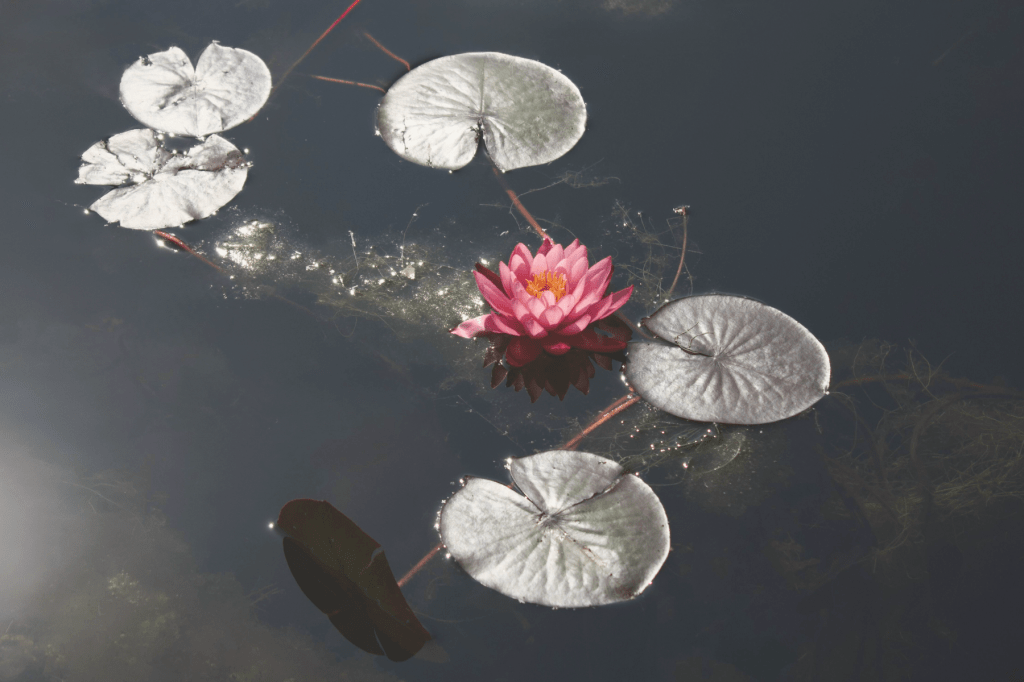
Integration as Wholeness
To integrate is to weave, to bring the fragments of yourself into harmony. It’s where transformation becomes sustainable, embodied, and quietly radiant.
Integration reminds us that we don’t have to chase becoming whole. We only have to create the conditions that allow wholeness to emerge.
Suggested Resources for Ongoing Integration Practice
- Book: “The Body Keeps the Score” by Bessel van der Kolk – Understanding the body’s role in storing and releasing experience.
- Practice Deck: “Pause Cards” by Irene Lyon – Daily nervous system regulation prompts.
- Podcast: “Embodied” by Juna Mustad – Reflections on integration and emotional safety.
- App: Insight Timer – Gentle guided meditations for grounding and integration.
Reflection Prompt:
Integration is deeply personal, it unfolds uniquely for each of us.
Take a moment to pause:
- What part of you is asking to be integrated right now?
- How can you offer it patience, space, and care?
Soft Invitation to Continue the Journey
- If this piece resonated, explore our Embodied Healing resources: including guided practices, somatic meditations, and reflection workbooks; all designed to help you deepen into the art of integration.
- Let this be your reminder: you don’t need to force wholeness; you can grow into it, quietly, day by day.
 Metamorphosis Wellness
Leave a comment