

When Healing Becomes Becoming
There is a pivotal moment in every healing journey when safety no longer feels like a distant possibility but a lived experience, even if only for brief, sacred moments. The nervous system begins to trust that the present is not a repetition of the past. The heart softens its grip on defence. The body loosens the urgency to protect. And in that space between what has been survived and what is now possible, a new chapter emerges. This is the moment when healing evolves into mastery.
Healing teaches us how to live without fear. Self-mastery teaches us how to live with intention. When wholeness becomes embodied rather than imagined, we shift from tending wounds to expressing wisdom. We are no longer reducing harm, we are creating a life aligned with who we are becoming.
Healing, Integration, Mastery – A Progressive Continuum
Wholeness is not a fixed state we arrive at; it is a living continuity. The first phase is healing, a reclamation of safety, regulation, and trust in the body’s signals. Without this foundation, any attempt at growth merely recreates old patterns in different environments.
The second phase is integration, where we reunite with the parts of ourselves that once carried the burden of survival. Shame softens into understanding, and the internal landscape becomes a place of conversation rather than conflict.
Only then are we able to enter the third phase, mastery. Here, the question shifts from “How do I stop hurting?” to “How do I live in alignment with my values, my purpose, and my inner knowing?” Self-mastery is not about control or perfection. It is the capacity to remain coherent, choice-led, and compassionate in the face of life’s inevitable complexity.
From Survival to Agency: The Neuroscience of Mastery
Trauma narrows the world. The nervous system becomes preoccupied with preventing threat, limiting imagination and possibility. As regulation strengthens, the prefrontal cortex, responsible for wisdom-oriented decision making and emotional intelligence, regains influence.
This allows us to pause before reacting, to ask whether the feelings of this moment belong to here or to then. We learn to take action from grounded presence rather than protective reflex. This shift from reaction to choice marks the essence of self-mastery.
Mastery is not the absence of activation. It is the ability to navigate activation without abandoning ourselves.
Principles of Conscious Self-Mastery
Self-Leadership
Self-leadership is the internal stance from which we guide every other part of us. Instead of allowing fear, perfectionism, or people-pleasing to dictate our behaviour, we learn to lead from our values. It is the decision to be the safe, steady presence that younger versions of us never had.
Embodied Intuition
To master our lives, we must trust our inner signals more than external noise. Intuition lives in the body long before the mind understands. When we pause to feel rather than analyse, we allow truth to be sensed. The body becomes a compass, and wisdom becomes experiential.
Emotional Alchemy
Emotions cease to be problems to control. They are recognised as communication from the Self. Anger sets boundaries. Grief honours love. Joy restores vitality. We evolve through them, rather than bypassing or suppressing them.
Integrity of Boundaries
Boundaries mature from being rigid walls or fearful appeasement into brave expressions of self-respect. They protect peace not by withdrawal but through clarity, honesty, and care for both the self and the relationship.
Soul-Aligned Action
Self-mastery becomes visible when inner truth becomes outward behaviour. Every choice that honours our wellbeing builds a life where authenticity is not a performance, but a home.
Practices for Embodied Growth
Growth is anchored through practice, not thought. Small moments of alignment; a deep intentional breath before reacting, a pause to name our needs, a gentle recognition of our limits, become pathways of trust in the nervous system.
A morning intention reconnects us with who we choose to be. A daily reflection acknowledges the moments we honoured our inner knowing. Celebrating incremental progress reinforces that mastery lives in repetition, not in grand gestures.
Writing from the perspective of our future self, the one who already lives with steadiness, clarity, and compassion, can transform aspiration into embodiment. This is not wishful thinking. It is the brain’s way of mapping possibility.
Supporting Your Journey Into Mastery
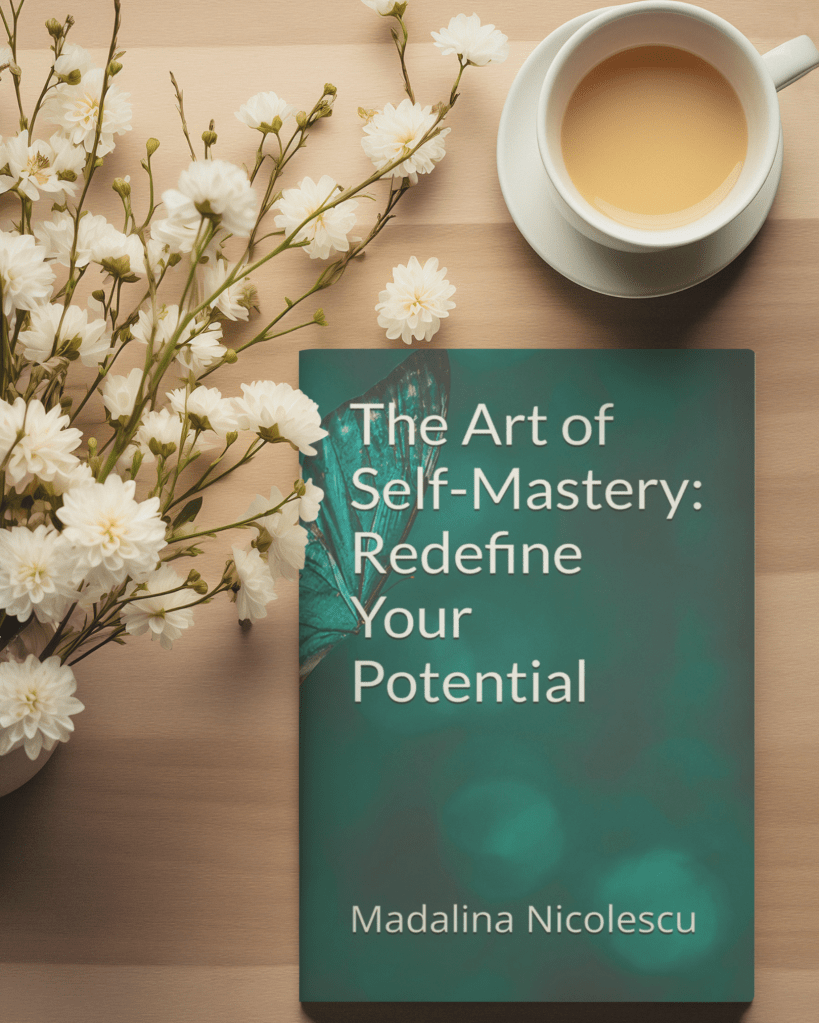
If you are ready to take this work further, The Art of Self-Mastery: Redefine Your Potential offers a structured path for conscious growth. It is a practical and inspirational guide that bridges psychology and embodiment to help you unlock the version of yourself who leads life with intention rather than fear.
Inside, you will learn how to transform limitations into resilience, align your daily choices with your deeper values, cultivate emotional intelligence, and build the habits that create success without self-betrayal.
If you feel the quiet knowing that you are meant for more, this is where your next chapter begins.
Explore the book: The Art of Self-Mastery; your transformation starts here.
Support and Resources for Conscious Growth
As healing evolves, support structures can also shift. Therapy may remain a companion, but coaching, mentorship, and aligned community often become essential as we expand identity and purpose. The nervous system thrives in environments where growth is celebrated and coherence is mirrored.
Resources that nurture this stage might include works such as Women Who Run with the Wolves by Clarissa Pinkola Estés or The Way of Integrity by Martha Beck, alongside modalities that deepen embodiment: somatic coaching, creativity-based practices, cyclical living, and conscious relationship work.
Growth does not rush, it integrates.

Wholeness as a Way of Being
Self-mastery is not an escape from our past selves. It is the gentle honouring of every version of us that survived long enough to give this moment a chance to arrive. It is living from truth rather than trauma. It is choosing presence over protection, clarity over conformity, and integrity over urgency.
There will still be days of contraction. The difference now is in how we meet ourselves there. With steadiness instead of fear. With leadership instead of self-abandonment. With the recognition that healing was never the end, it was the beginning.
Wholeness is not something you become. It is something you reveal, every time you choose to live in alignment with who you truly are becoming.
 Metamorphosis Wellness
Leave a comment